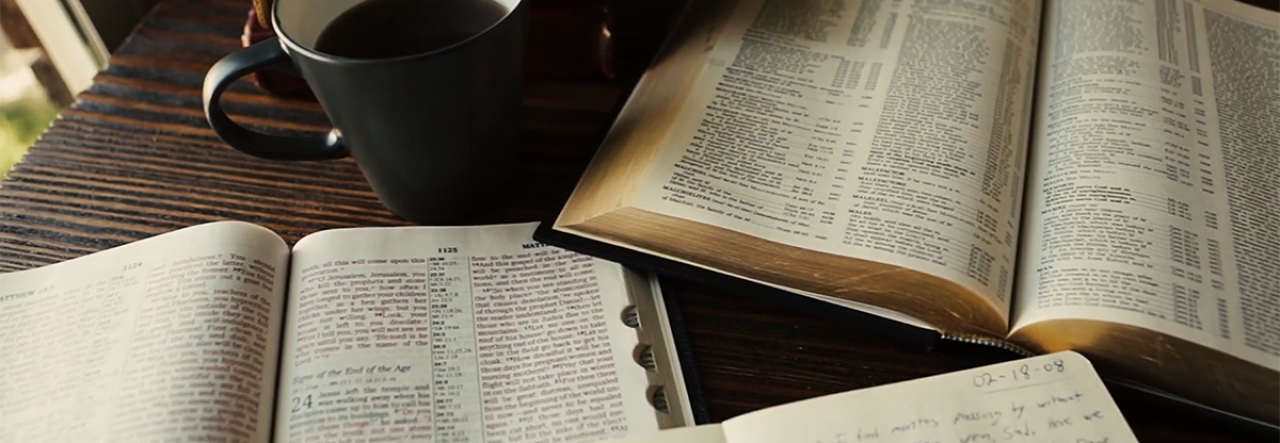

Disciple-Making as an Essential Spiritual Discipline

Bible-reading. Prayer. Worship. Evangelism. Serving. Giving. Fasting. All of these “spiritual disciplines” are explained and encouraged in most books on the subject. And rightly so! Each one of them is listed in the books that I am currently using to prepare a life group study on practicing the disciplines. But as I went through the lists, I noticed that something was missing: disciple making.

Disciple making is the intentional process of helping other people follow Jesus through relationships. It has not traditionally been regarded as a spiritual discipline, but I think it should. Spiritual disciplines act as scaffolding in the construction of a believer’s relationship with God. They are the habits and patterns of life that all believers should practice in obedience to God’s commands, including His command to make disciples (Matt 28:18-20).

I believe disciple making deserves formal recognition as an essential spiritual discipline right alongside prayer, Bible-intake, giving, fasting praying, etc. Here’s why:

1. Disciple making is obedience to Jesus.

At its core, disciple making is an act of obedience. Jesus’s command to make disciples is not a suggestion but a directive. In John 14:15, Jesus says, “If you love me, keep my commands.” Engaging in disciple making not only demonstrates our willingness to align our lives with Christ’s instructions but is a way of actually loving Him.

2. Disciple making cultivates spiritual growth.

Making disciples is not merely about teaching others; it’s a dynamic process that fosters mutual growth. As we help others follow Jesus, we deepen our relationship with Him as well. Part of this is because you must “walk the walk” before you can model that walk to others (more on accountability below).

In its simplest form, disciple making promotes biblical fellowship, which always edifies both parties. Proverbs 27:17 states, “As iron sharpens iron, so one person sharpens another.” Both mentor and mentee, group leader and members, are sharpened by each other. One of my favorite aspects of leading the discipleship ministry at our church is hearing from the leaders how much they are growing!

Continue reading “Disciple-Making as an Essential Spiritual Discipline”

Ten Reasons to Read God’s Word Regularly

Every follower of Jesus should cultivate the habit of regular Bible reading. Here are ten reasons why.

  1. God’s Word leads us to salvation.

In 2 Timothy 3:15-17, Paul tells Timothy to continue in the “sacred writings” that He has known from birth. Paul is referring to the Scriptures, which he describes as being “able to give wisdom that leads to salvation through faith which is in Christ Jesus.” The Scriptures lead us to Christ, in whom is our salvation. But the Scriptures also continually point us to Christ throughout our lives and remind us of the gospel. We need to be reminded of what God has done for us in Christ on a regular basis. That’s why Paul encourages Timothy to continue reading them- and why we should to!

Continue reading “Ten Reasons to Read God’s Word Regularly”

What Every Christian Should Believe About the Bible

Transcript: We are beginning a new series called What We Believe, where we will be going through eleven different sections of the Baptist Faith & Message, the confession we ascribe to as a member of the Southern Baptist Convention. Last week we explained why we are a Southern Baptist Church and gave a brief history on the use of confessions in church history and specifically the Baptist Faith and Message.

By way of review, confessions are written statements of faith that seek to clearly state what the Scriptures teach. Most confessions have sections on Scripture, God, Salvation, The Church, and so on. They are very useful because they summarize what the Bible teaches on a given topic in a clear and concise manner. These summaries can foster unity and provide doctrinal fidelity among church members, church associations, mission organizations, seminaries, etc. But they can also serve as teaching material. That is why we are using our confession of faith as the basis for a series on what we believe.

Why should we study what we believe? Because there is no graduating beyond the foundational truths of Christianity. We need to be constantly reminded and nourished by the tenets of our theology. They encourage us, enliven us, and give us confident assurance in every season. Without knowing what we believe, we will be like a ship without a rudder, tossed around by every faddish trend or belief system. In fact, one such trend in the church is to downplay the importance of doctrine and theology and focus on the practice of Christianity. Such a trend leaves its church members like cut flowers in a vase- they may look alive for a while, but they will wither and die for lack of roots.

We also need to know what we believe so that we can communicate those beliefs with others. It is very difficult to teach someone something that you don’t know much about. ‘Others’ may include your children, family members, other church members, your neighbors, and even strangers. Our task is to make disciples of all nations, teaching them to obey all that Christ taught us. How can we do that without knowing what He has taught us?

I could go on, but for the sake of time, I am going to assume we’re in agreement on the necessity of studying What We Believe. Tonight we are going to begin with the foundation of all our beliefs, including the foundation of confessions like these: the Word of God.

As we expound this article of the BFM, I want you to consider these questions: What is it that I believe about the Bible? Do my beliefs match our confession? And then: Does my life reflect my beliefs? That is where the rubber meets the road. Let’s begin.

Continue reading “What Every Christian Should Believe About the Bible”