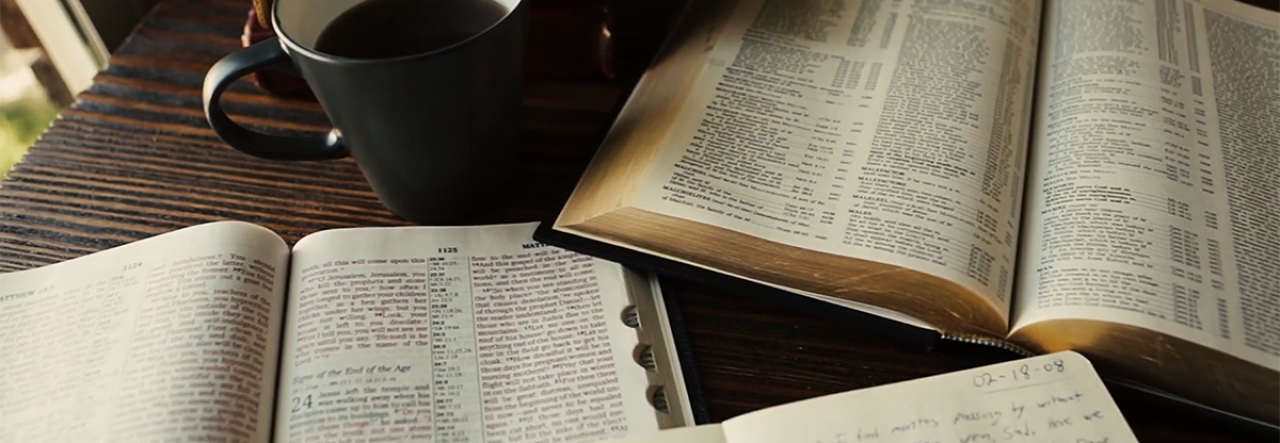
In January, I started studying and writing on the Sermon on the Mount. A family wide bout of Covid-19 delayed my study for a little bit. But alas, God has allowed me to return to it! This week I want to share something I read from Martyn Lloyd-Jones on the Sermon. I am summarizing his comments under the title, “Four Reasons the Sermon on the Mount is Relevant Today.” Here they are:
1. Jesus died to enable us to live the Sermon on the Mount.
As I argued in my previous blog, the Sermon on the Mount is a description of the Christian life. Thus, Jesus died for us to be able to live out the principles of the Sermon. He died to “purify for himself a people for his own possession who are zealous for good works” (Titus 2:14). The principles contained in the Sermon are a part of these “good works.” In fact, God has planned from eternity past for us to walk in them (Eph 2:10). Because of Jesus’ death and the new life it has brought us, we can be zealous for doing the good works He expounds in the Sermon
Continue reading “Four Reasons the Sermon on the Mount is Relevant Today”
 In Bible and Mission, Richard Bauckham seeks to respond to postmodernism’s rejection of universal metanarratives in favor of particulars by demonstrating that the Bible consistently moves from the particular to the universal, and thus, particulars are the means by which God achieves the universal. In other words, Bauckham wants to show the reader that the Christian faith is not just another universal truth claim that can be dispensed with in favor of particular or diverse expressions of religion, but that the Bible contains a series of God-ordained particulars that open the door to His universal kingdom. By establishing this movement from the particular to the universal in the Bible, Bauckham hopes to provide the reader with the ability to read the Bible in a way that takes seriously its missionary direction by taking both the particular and universal seriously, and achieving the latter via the former (11).

 JARRETT FLETCHER