Back to Genesis. “God said, ‘Let us make man in our image, after our likeness’” (Gen 1:26). As we saw in my first post in this series, this verse informs God’s mandate to ‘be fruitful and multiply’ in Genesis 1:28. God wanted Adam and Eve to fill the earth with fellow image bearers of God.
The concept of being created the image of God has historically been referred to by the Latin phrase imago dei, and it has received a lot of attention throughout church history with many asking, “what is the image of God?”
Having an accurate answer to the question is a necessity. If we are called to multiply image bearers, what are we called to multiply? What does it mean to bear God’s image? Do we still bear God’s image after the fall? If so, in what ways? And why does it matter? I want to answer all of these questions in this chapter, because I believe that comprehending the imago dei helps us read the Bible better, appreciate work of Christ more, and understand our role as parents more clearly.
Every Single Person
What is the Imago Dei?[1] First, it is something that is true for every human being. God set apart mankind for this unique role of bearing his image (Gen 1:26-27, 5:1-2). Even after the Fall, mankind is still referred to as being created in the image of God (Gen 9:6).
When James speaks of taming the tongue in the New Testament he writes, “with it we bless our Lord and Father, and with it we curse people who are made in the likeness of God” (James 3:9). His point is this: it is sinful to bless God with our tongue and also curse the people that God made in his image!
Every single person is created in the image of God. God is spirit, and he gives a human spirit into each person he creates, capable of reflecting his image. This is true whether the person is an embryo or a centenarian with dementia. Every human life is equal in dignity, value, and worth, not because of any human standards, but because of God’s: they are made in his image.[2]
Damaged But Not Destroyed
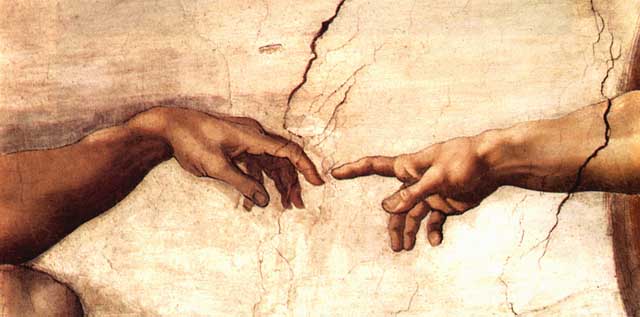
In some way, however, the image of God in us was damaged by the Fall. Its as if Adam and Eve were a mirror that reflected the glory of God’s character, but now that mirror has been broken. His image in us isn’t destroyed, but there are cracks that distort the image.
However, there are several verses in the New Testament that speak of the image of God being renewed or restored in us. For example, Paul writes that as we behold the glory of the Lord we are “being transformed into the same image from one degree of glory to another” (2 Cor 3:18). In other words, we are slowly growing in our ability to reflect the image of God more clearly. But how can it be renewed in us? Only by the one who is the perfect image of God.
Renewed and Perfected in Christ
Every human being bears the image of God, although the image is tainted by sin. But only one bears the perfect image of God, and that is the Son of God. Paul, in writing about unbelievers, says that they cannot see “the light of the gospel of the glory of Christ, who is the image of God” (2 Cor 4:4).
We are made in the image of God, but Jesus Christ is the image of God. “He is the image of the invisible God, the firstborn of all creation” (Col 1:15).[3] That’s why Jesus can say, “if you have seen me, you have seen the Father” (John 14:9). “No one has ever seen God; the only God, who is at the Father’s side, he has made him known” (John 1:18). The author of Hebrews uses similar language, “He is the radiance of the glory of God and the exact imprint of his nature” (Heb 1:3).
The one who is the image of God can restore that image in us. How? By reconciling us in our relationship with God. The image of God in us is the capacity for relationship, especially a relationship with God. That’s what was lost in the garden. Though God still cared for his people, they didn’t know him as Adam and Eve did before the fall. Their intimacy was lost. Their relationship was broken by sin.
But Christ, the perfect image of God, reveals God’s holiness, justice, love, and grace in his life, death, and resurrection. He imaged God perfectly in his life as a Son in perfect relationship with his Father, yet took our image, our sin, upon himself on the cross. “For our sake he made him to be sin who knew no sin, so that in him we might become the righteousness of God” (2 Cor 5:21).
Jesus reconciles anyone who trusts him back into a relationship with God, removing their sin debt and giving them his righteousness. In him, we become children of God (John 1:12). When we are reconciled to God and become his children, the image of God is restored in us, yet not completely. We still live in a sinful, broken world. So we must go through the process of sanctification, where we are transformed from one degree of glory to another, being conformed to the image of the Son, until the day when we are glorified and bear his image fully (2 Cor 3:18; Rom 8:29; 1 Cor 15:49).
The whole Bible, then, can be seen through the lens of the imago dei. God created us to bear his image and reflect his glory to the world. Our ability to do that was marred by the fall, because bearing God’s image (i.e. a capacity for relationship with him) was broken by sin. But God sent his Son, the perfect image of God, to reconcile us to himself, renew his image in us, and continue spreading his glory among the earth.
Where Children Fit In
What does the imago dei have to do with raising children? Everything! First, we need to recognize that we are imaging God to our kids. We get to show them what God is like. When we give grace, we are imaging the God who gives grace. When we forgive, we image the God who forgives. When we love others at our own expense, we image the God who does that for us in Christ.
Second, we need to make sure that we have the right goal in raising our kids. Our goal is not to raise a star athlete, a straight-A student, or a successful adult. Our is to raise a fellow image bearer of God who will reflect his glory in the world.
And how do we do that? There’s obviously much that could be said here. But let me offer two simple suggestions that correlate with the image of God. First, we raise a fellow image bearer by constantly pointing them to Jesus, the one who restores the image of God in them. Second, we raise a fellow image bearer by involving them in Jesus’ church, where they will be raised be around the people who are living a lifestyle of worship as they are being renewed in the image of God.
God’s mandate hasn’t changed. He still wants us to be fruitful and multiply image bearers of God among the earth. And its not just about reflecting his character. That’s part of it. But remember, God’s image in us primarily pertains to our capacity for a relationship with him. He wants us to know him and to help others know him as well. That’s the heart of the original mandate. That’s how we spread his glory among the earth!
[1] Much of my thinking regarding the imago dei has been heavily influenced by one of my seminary professors, Dr. John Hammett. I first learned about understanding the imago dei as capacity for relationship from him. Though there is not a specific book or class lecture I can quote from, I want to make sure that I give him due credit in this section.
[2] This is exactly why God condemns murder in Genesis 9:6.
[3] Italics mine.
 JARRETT FLETCHER