As we find ourselves in the midst of another election season, it’s easy to feel overwhelmed (and frustrated) by the flood of discussions, debates, and news cycles. How can we lift our eyes above the waters and find guidance and encouragement? As I have in past election seasons, I am reflecting once again on Augustine’s book, The City of God.
Even though it was written nearly sixteen centuries ago, I believe his profound work still speaks to us today. It explains the realities of the worlds, or the “cities,” in which we live, and offers wisdom on how to navigate the waters of our political landscape with faith and hope. Let me show you how!
Who Was Augustine?
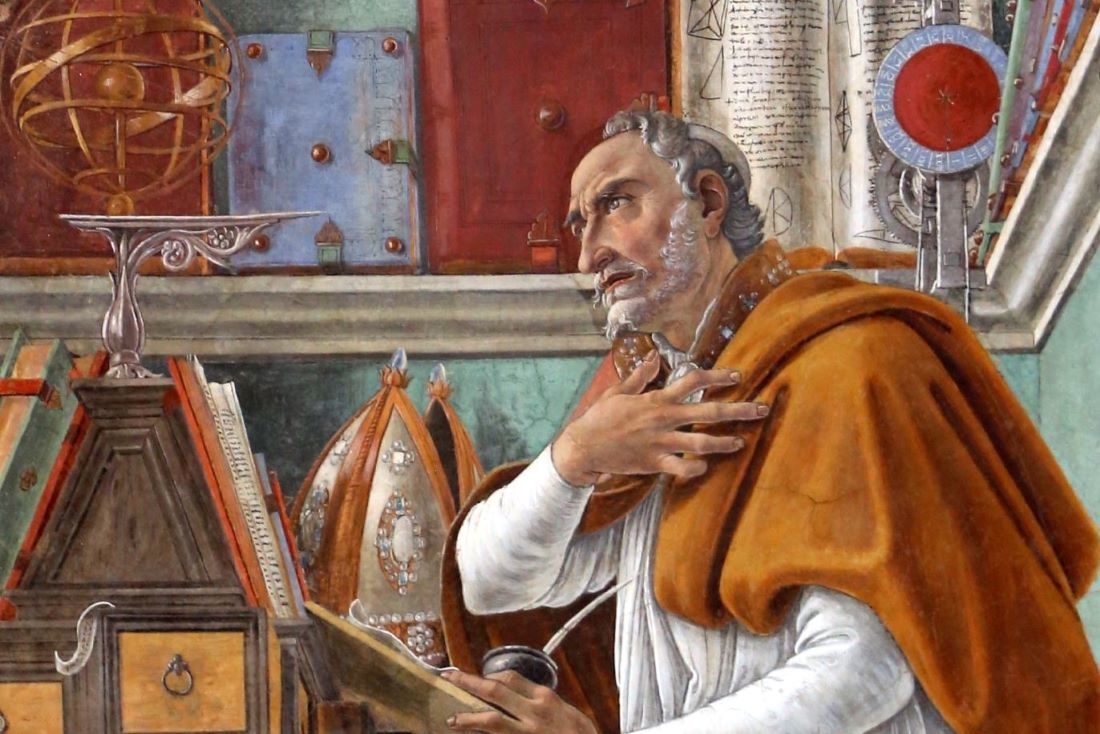
Augustine of Hippo was an early Christian theologian and philosopher. He was born in 354 AD in what is now Algeria and became one of the most influential figures in Christianity. He was, in a sense, one of the first great theologians of the church. It is said that all theological traditions, in some way or another, are indebted to Augustine. He is the fountainhead from which many streams of theology flow. His writings, especially Confessions and The City of God, have shaped Christian thought for centuries.
What Is “The City of God” About?
Augustine wrote The City of God in response to the fall of Rome in 410 AD. For the first time in centuries, Rome was not the superpower of the world, and many people blamed Christians for the collapse of the city, claiming that abandoning the old Roman gods had led to Rome’s downfall. Augustine wrote City of God to defend Christianity and to offer a broader perspective on history and society.
In his book, Augustine contrasts the “city of man” with the “city of God.” Both cities are marked by love. The city of man is characterized by self-love and pride, which leads to conflict and corruption. The city of God, on the other hand, is marked by the love of God and the building of His kingdom. Augustine encourages Christians to live in the city of man as citizens of the city of God until the day that God’s city triumphs. But how do we do that? Here are six ways.
Lessons for Christians Today
1. Keep an Eternal Perspective
Augustine reminds us that our ultimate citizenship is in the city of God. While elections and politics are important in the city of man, they are not the final word. Our hope is not in earthly governments but in God’s eternal kingdom, a kingdom that will have the final word and will endure forever. Even when political situations seem uncertain or troubling, we must remember that we are sojourners (1 Chron 29:15) whose citizenship is in heaven (Phil 3:20). One day the city of God will become our eternal home (Isaiah 25:8-9); it is to that city that we look (Hebrews 11:10).
2. Live with Grace and Humility
Even though God’s city will ultimately triumph, we shouldn’t be “so heavenly minded that we are no earthly good.” Augustine encourages us to live in the city of man with grace, humility, and love. The city of man often operates on pride and self-interest, but as citizens of God’s city, we are called to be different, operating on humility and putting others before ourselves. “Let your light shine before others, so that they may see your good works and give glory to your Father who is in heaven” (Matt 5:16).
3. Seek Justice and Peace
Augustine believed that Christians should work towards justice and peace in the city of man. This means advocating for policies and leaders that align with such values. It also means caring for the vulnerable and standing up against injustice. We must be careful, however, to define values such as justice, equality, and peace biblically and not allow the city of man to define these terms for us. Augustine himself noted this, recognizing that what the world may call “justice” is not necessarily what God calls justice.
4. Pray for Leaders and Nations
As ambassadors of the city of God living in the city of man, we are responsible to pray for our leaders and our nation. We are to pray for wisdom, integrity, and justice (characteristics of God’s city) to invade and prevail in the city of man. In other words, we pray for God’s kingdom to come, for His will to come, on earth as it is in heaven. Paul writes to Timothy, “I urge that supplications, prayers, intercessions, and thanksgivings be made for all people, for kings and all who are in high positions, that we may lead a peaceful and quiet life, godly and dignified in every way” (1 Tim 2:1-2).
5. Don’t Trust in the City of Man
When the “eternal city” of Rome fell, many across the kingdom were completely shocked. Not Augustine. As he watched the Visigoth armies descend upon his country, he wrote that he was “not surprised” because kingdoms in the city of man rise and fall, but the eternal city of God endures forever. Augustine reminds us not to place our hope in the transient kingdoms of man.
6. Trust in God’s Sovereignty
Not only do the kingdoms of man rise and fall, but God Himself is sovereign over those rises and falls. Daniel 4:32 writes that “the Most High is sovereign over all kingdoms on earth and gives them to anyone he wishes.” Augustine trusted God’s sovereignty and teaches us to do the same. Regardless of who wins an election or what political parties are in power, God is in control, and His city will ultimately triumph. In fact, God uses every event in the history of the city of man, including the rising and falling of earthly kingdoms, to bring about the ultimate victory of His heavenly kingdom.
So as we navigate this election season, let Augustine’s City of God encourage you, too! Keep an eternal perspective. Live with grace and humility. Pursue justice and peace. Pray for our leaders and nation. But don’t put your trust in the city of man. Instead, rest in the sovereignty of God. Remember that you’re a citizen of His kingdom and look forward to the day when His city becomes your eternal home!
 JARRETT FLETCHER